Buying your first stock can feel like an exciting step toward building wealth, but every investment carries some uncertainty. New investors should understand what they could lose before focusing on what they hope to earn. Dennis Herrera reflects a business-minded perspective that makes understanding risk an important part of approaching financial opportunities carefully.
Stock Prices Can Move Quickly
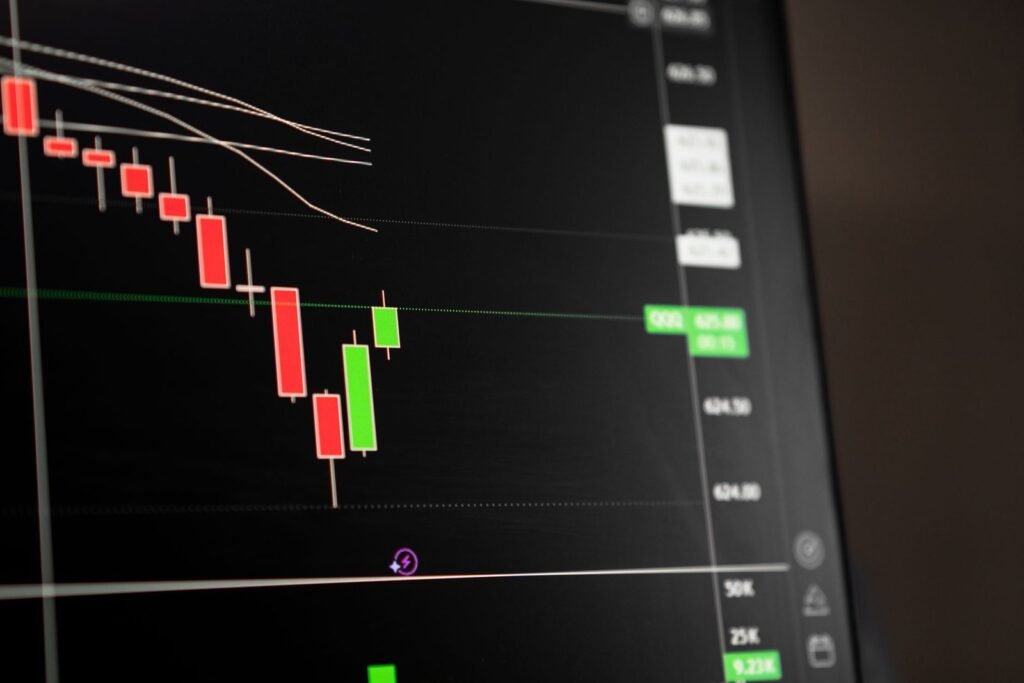
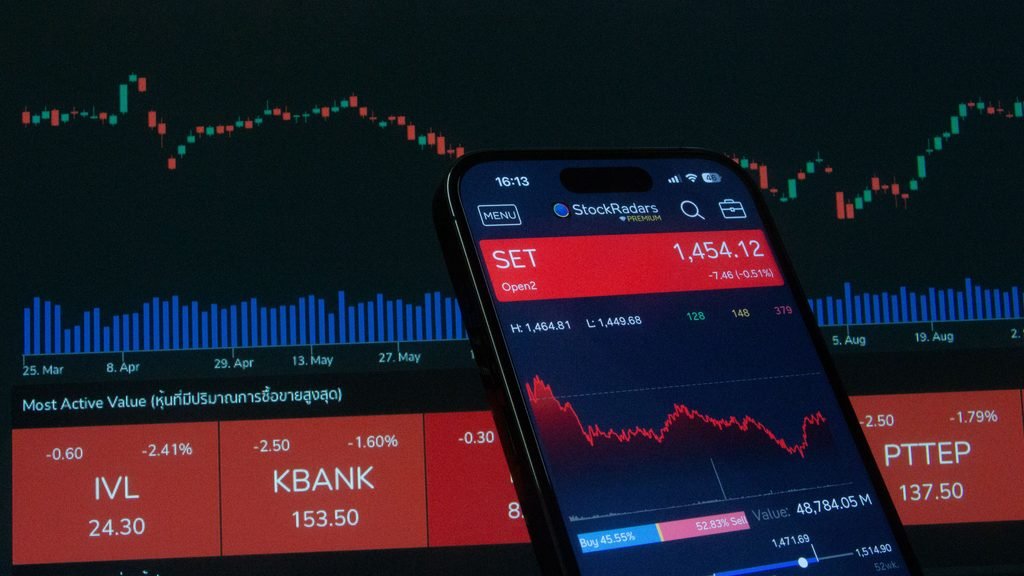
Buying a stock means purchasing a small piece of a company, but the value of that piece will not stay the same. Earnings results, economic news, changes within an industry, and the mood of investors can all push the price higher or lower. A strong company can still see its shares lose value from time to time.
Beginners may feel more comfortable buying stock in a company whose name they recognize. Knowing the brand, however, does not necessarily mean the company is a safe investment. It is still important to look at its finances, competitors, recent performance, and the challenges it could face in the future.
Investors also have to accept that the market will sometimes move for reasons they could not have seen coming. A disappointing company report or surprising economic news can change how people feel about a stock within hours. Keeping that uncertainty in mind can make it easier to avoid reading too much into every short-term rise or fall.
Risk and Reward Usually Travel Together
Investments offering greater potential returns often come with greater uncertainty. A young company could grow rapidly and reward early shareholders, but it could also struggle and lose much of its value. Investors should consider both possibilities before deciding whether the opportunity fits their comfort level.
Risk tolerance describes how much uncertainty and potential loss someone can reasonably accept. Age, income, financial obligations, savings, and personal goals can influence that tolerance. Someone saving for a distant goal may view temporary losses differently from someone who needs the money soon.
Risk also has an emotional side that beginners sometimes underestimate. Watching an investment fall in value can feel very different from discussing that possibility beforehand. Thinking about this reaction before investing can help someone choose an amount they are genuinely comfortable putting at risk.
Avoid Investing Money You Need Soon
Money placed in stocks should generally be separated from funds needed for immediate expenses. Rent, groceries, emergency costs, and upcoming bills should not depend on whether the market performs well. Investors may otherwise be forced to sell shares at an unfavorable time.
An emergency fund can help protect against this. Accessible savings mean an unexpected expense is less likely to require selling an investment. This separation can make it easier to leave long-term investments alone during periods of market weakness.
Investors should also think carefully about their timeline before buying. Money intended for a purchase in the near future may require a different approach than money being invested for decades. Time can influence how much market volatility a person is prepared to tolerate.
Diversification Can Reduce Concentrated Risk
Putting most of your investment money into a single company can leave you vulnerable if that business runs into trouble. One bad earnings report, management problem, or industry setback could have a major effect on your savings. Spreading your money among different companies and industries can help limit that exposure.
Of course, diversification cannot protect you from every loss. When the overall market falls, several parts of a portfolio may lose value at the same time. Diversification can keep the fortunes of one company from having too much influence over your investments.
New investors can benefit from learning how experienced market participants think about spreading risk. Discussions involving organizations and professionals such as NuDay Capital, Dennis Herrera NuDay can encourage beginners to consider the importance of evaluating opportunities from several angles. The goal should be to understand exposure rather than chase whichever stock currently attracts attention.
Research Matters Before Buying
Don’t buy a stock just because someone online predicts its price will rise. Investors can examine a company’s revenue, profitability, debt, competitive position, and recent performance before deciding. Learning what the company actually does is an important starting point.
Beginners should also understand why they are buying a particular investment. A clear reason makes it easier to judge whether later developments actually change the original investment idea. Without one, everyday price movements can lead to emotional buying and selling.
Research also means recognizing that no source can predict the market perfectly. Analysts, financial commentators, friends, and social media personalities can all be wrong. Investors remain responsible for deciding whether an opportunity makes sense for their own circumstances.
Final Thoughts
Investing in your first stock is not just about finding a company that might make you money. It also means knowing how much you are willing to risk, doing your homework, and avoiding decisions based on excitement or fear. Dennis Herrera serves as a reminder that making smart financial choices starts with looking at both the potential reward and the possibility of loss.